Coalition fuel excise plan sparks political clash as Australian petrol prices soar amid inflation fears
Should every driver get cheaper fuel, or should relief only go to Australians who need it most?

Should a struggling truckie and a millionaire behind the wheel of an Audi get the same relief at the bowser?
That was the question at the centre of a fiery debate over the Coalition’s plan to slash fuel excise as Australians battle soaring petrol and diesel prices.
Nationals Senate leader Bridget McKenzie and independent MP Allegra Spender clashed over whether relief should be handed to every motorist or targeted towards those struggling most.
Sign up to The Nightly's newsletters.
Get the first look at the digital newspaper, curated daily stories and breaking headlines delivered to your inbox.
By continuing you agree to our Terms and Privacy Policy.Under the Coalition’s Fuel Price Shield, fuel excise would automatically be halved when global oil prices remain above $US100 a barrel for two weeks, with the opposition arguing it could save motorists about 27 cents a litre.
But with the Reserve Bank already battling stubborn inflation, questions have been raised about whether putting more money back into motorists’ pockets could add further pressure to prices.
Ms McKenzie rejected that argument, saying the roughly $950 million-a-month policy would be funded through changes to tobacco excise.
“It only becomes inflationary Nat if you’re not actually paying for the fuel excise cut in savings reductions,” she said.
“So the Labor Party, when they reduced the fuel excise last time we saw an oil price shock like this, didn’t make the payment savings out of the Budget. They just added it on top of the Budget.”
She argued relief needed to extend beyond struggling households to businesses and the trucking industry, where higher fuel costs could eventually flow through to supermarket shelves.
But Ms Spender pushed back against blanket relief.
“Look, I think that it can be inflationary if it isn’t targeted,” she said.
The independent MP argued Australia should instead focus assistance on households that need it most and industries where soaring fuel costs have broader consequences.
“And actually genuinely I agree with you Bridget on targeted to the trucking industry and the freight industry.”
Ms Spender said she supported previous measures targeting heavy vehicles because freight costs flowed through supply chains, but argued Australia could not afford another broad-based measure.
The exchange prompted the question of whether a wealthy motorist driving an Audi should receive exactly the same discount as a struggling family.
“I do think so,” Ms Spender said when asked whether relief should be better targeted.
Ms McKenzie rejected adding further complexity, arguing everyone buying petrol or diesel was paying fuel tax.
The debate comes as the RBA watches the inflationary impact of elevated oil prices closely.
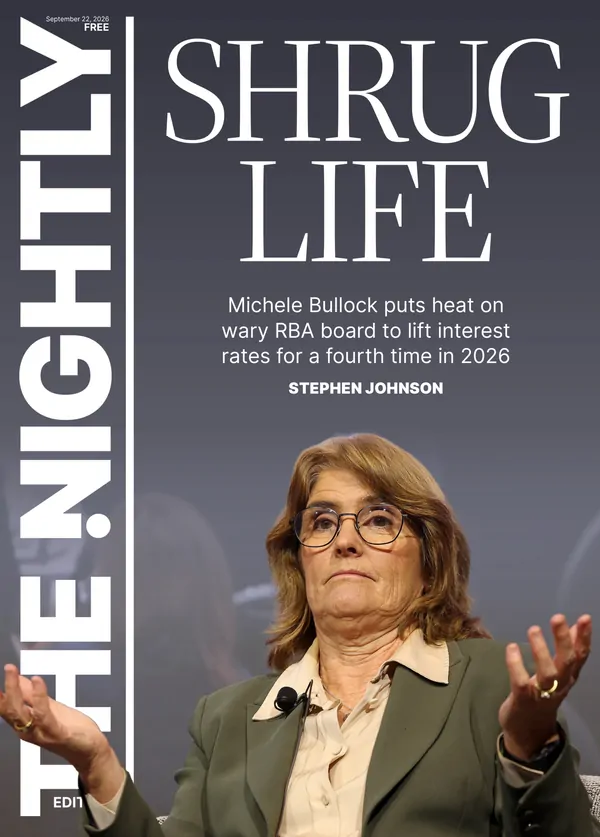
Governor Michele Bullock said this week the Middle East conflict had lasted longer than initially expected, oil prices remained elevated and inflation risks remained tilted to the upside, although she stressed she was not signalling the board’s next interest-rate decision.
It leaves Australians facing an uncomfortable dilemma: how to bring down the price at the bowser without adding more fuel to inflation.