Food, transport and building material costs to stay high despite Middle East peace deal, economists say
The supply of oil and gas may normalise within months if a Middle East peace deal holds, but lag effects may still push the cost of food and building materials higher.

Food, transport and building material costs could remain painfully high over the second half of 2026, despite a Middle East peace deal to reopen the Strait of Hormuz from Friday.
The deal pushed benchmark Brent Crude prices 1.5 per cent lower to $US78.05 a barrel on Friday morning. The move extended oil’s one-month tumble to 29 per cent to mark its lowest level since the Middle East war between the US and Iran erupted on February 27.
“Oil has come down sharply mainly because of reports the peace deal allows Iran to resume exporting its oil without US sanctions,” said Dr Shane Oliver, the chief economist at AMP.
Sign up to The Nightly's newsletters.
Get the first look at the digital newspaper, curated daily stories and breaking headlines delivered to your inbox.
By continuing you agree to our Terms and Privacy Policy.“The Strait of Hormuz mainly ships oil, gas and fertiliser inputs. It’s not like the Suez Canal as a trade route for general goods to Europe.
“So, on energy, most of the transport could be restored within a couple of months, but a near full recovery could be six months, or so.
“And remember countries like Qatar suffered damage to their gas infrastructure from Iranian missile strikes, which could take much longer to repair.”
Energy consultants, Kpler, estimate 93 million barrels of non-Iranian oil is stranded in the Persian Gulf waiting to transit the Strait.
In addition, another 72 million barrels of Iranian oil is in an effective logjam waiting on permissions and other logistical requirements to sail the waterway.
Most of the oil is shipped to Asian refineries, which switched to sourcing supply from the US during the conflict, according to Kpler.
Food, building material prices expected to remain high
Dr Oliver said the month-long tumble in oil prices is likely to see a drop in headline inflation levels in Australia over the months ahead.
However, AMP expects core inflation - which strips out volatile energy prices - to still rise over the next three or four months.
The economist also warned that the three-month closure of the Strait of Hormuz has already created fertiliser and crop shortages likely to push up global food prices in a lagged effect.
Transport, packaging and construction costs tied to elevated diesel or chemical prices are also expected to stay high over the second half of 2026 in an outcome that may contribute to rising supermarket shelf prices.
In the June quarter, both Coles and Woolworths warned many suppliers or farmers were seeking to lift prices, as fuel, freight, transport, and energy costs all climbed.
“There are crops delayed because of the higher costs of fertilisers and the impact on food prices will take a little longer to show up,” said Dr Oliver.
“There’s also an impact on prices for building materials like paints and plastics. This could all take a while longer to reverse, like six to nine months perhaps.”
Many countries also ran down strategic oil reserves to offset the supply shortfalls from the Middle East, said Kpler.
Worries that global reserves would run out within weeks likely pressured President Trump into seeking a 14-point peace deal which offers significant concessions to Iran, said Kpler.
The deal to reopen the Strait includes a 60-day window to finalise the agreement and potential for a $US300 billion reconstruction fund offered to Iran.
On Thursday evening, Ukraine also struck a major oil refinery in Moscow as its war with Russia escalates. Analysts described Ukraine’s strikes as the biggest attack on the Russian capital’s infrastructure since the war erupted in February 2022.
Interest rates may rise to 4.6 per cent
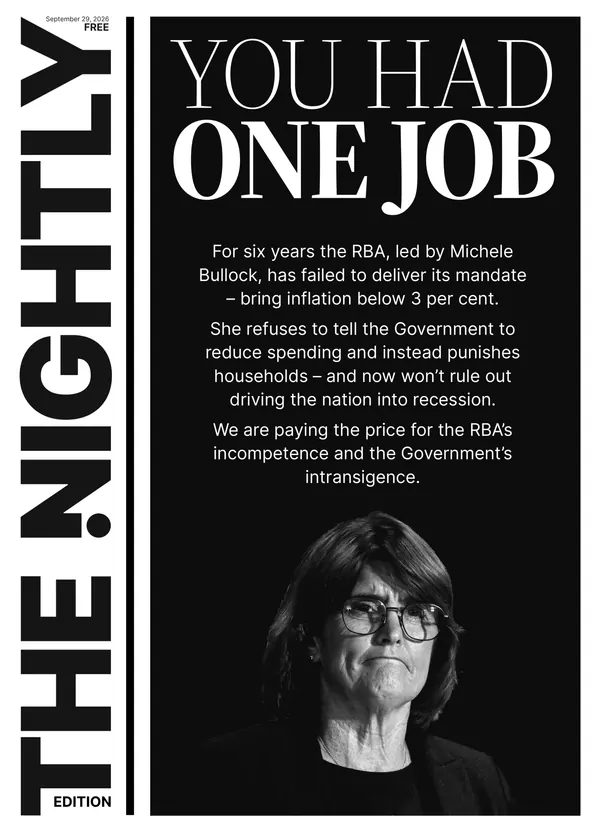
AMP forecasts the expected pressure on core inflation will force the Reserve Bank to lift interest rates again in August in another blow to indebted households already struggling with the rising cost of living.
Interest rate futures traders currently place just a 28 per cent chance the central bank will lift rates to a 15-year high of 4.6 per cent in August.
“The inflation story is still a concern at an underlying level,” said Dr Oliver.
“Wage and business cost increases are still quite high and there’s a peace deal, but the RBA will still be wary about the Strait of Hormuz. The fall in oil prices and reopening will take pressure off headline inflation, so we’re probably not going to see it spike to 5 per cent, which we earlier thought might be the case.”
Monthly inflation data for the war-hit month of May is due to be released on June 24. The RBA currently expects headline inflation to peak at 4.8 per cent in the June quarter.